
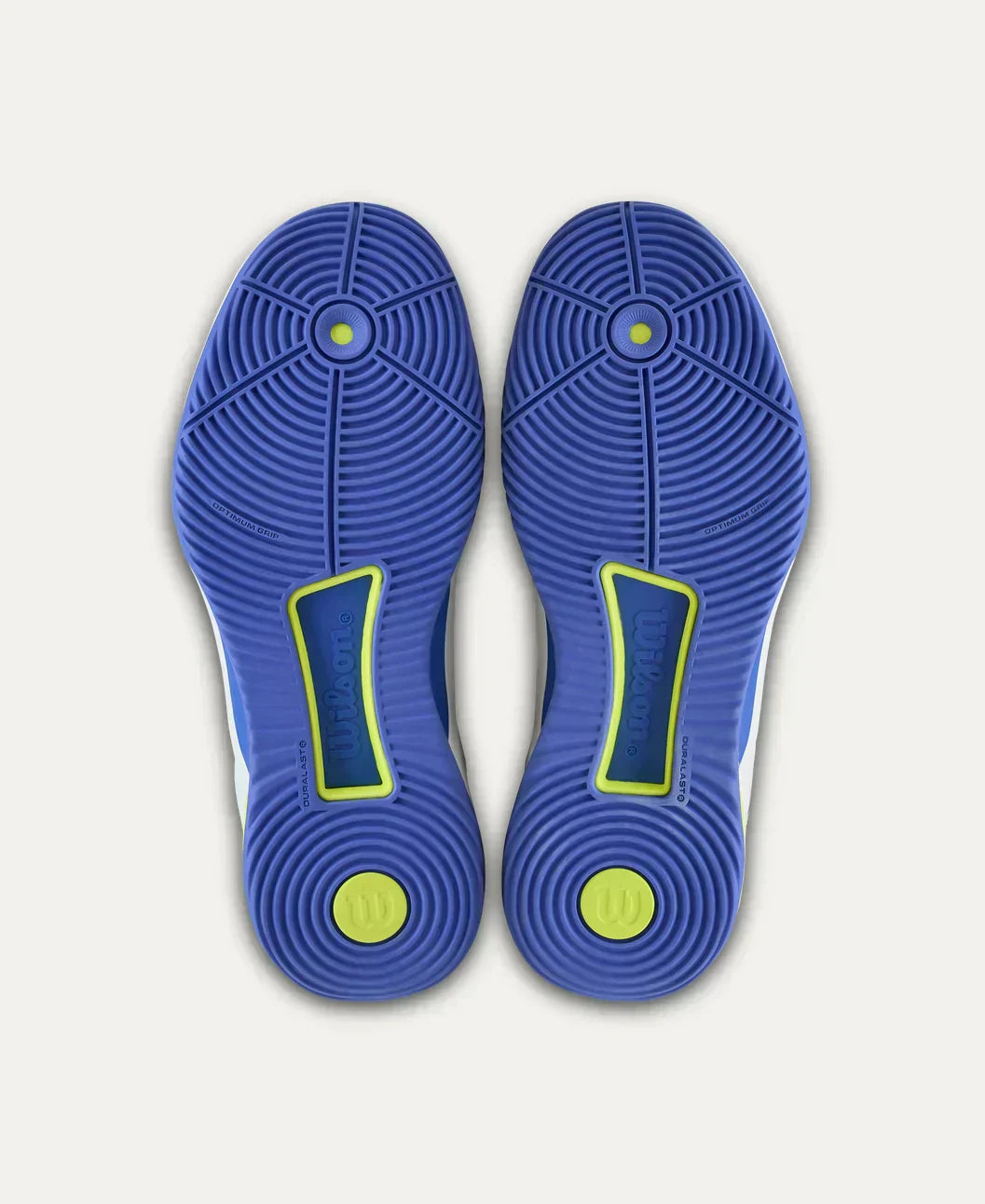
Padel is growing rapidly across Ireland. New courts are opening in Dublin, Cork, Galway and Limerick, and thousands of new players are stepping onto the court every month.
One of the most common questions beginners ask is:
Can you play padel with tennis shoes, or do you actually need padel shoes?
The short answer is yes, you should use padel shoes if you play regularly.
While tennis and padel may look similar, the movement patterns and court surfaces are different. Wearing the wrong footwear can affect your performance, reduce stability and increase injury risk.
This guide explains:
- The difference between padel shoes and tennis shoes
- Why padel shoes are better for artificial turf courts
- What features to look for when buying padel footwear
- How the right shoes help prevent common padel injuries
Why Padel Movement Is Different From Tennis
Although both sports use rackets and balls, padel requires different footwork and movement patterns.
Tennis movement is largely linear, meaning players move forward and backward across a larger court.
Padel, by contrast, involves:
- Quick lateral movement
- Short explosive sprints
- Constant direction changes
- Recovering rebounds from glass walls
Because padel is played on a 20m × 10m enclosed court, players react quickly in tight spaces. This creates significantly more side-to-side stress on the ankle and knee joints.
Shoes designed for forward running movement are not built for these demands.
Running shoes typically include:
- Thick cushioning
- Raised heels
- Soft flexible soles
These features are ideal for running but unstable during lateral padel movement.
Padel Shoes vs Tennis Shoes: The Key Differences
The most important difference between padel and tennis shoes is the outsole design.
The outsole determines:
- Court grip
- Sliding control
- Stability during lateral cuts
Tennis Shoe Soles
Tennis shoes are designed for surfaces such as:
- Hard courts
- Clay courts
- Grass courts
Most tennis shoes use a pure herringbone pattern, which provides traction for tennis but is not ideal for padel turf.
On artificial padel courts this can cause:
- Unpredictable grip
- Reduced lateral stability
- Excessive friction on turf
Padel Shoe Soles
Padel shoes use a hybrid outsole pattern combining:
- Modified herringbone grooves
- Small traction studs
This design provides:
- Controlled grip on artificial turf
- Better lateral movement stability
- Reduced slipping on sand-filled courts
Most padel courts in Ireland use synthetic turf with sand or rubber infill, making this outsole design essential for safe play.
Are Padel Shoes Necessary for Artificial Turf Courts?
Yes. Padel shoes are specifically designed for artificial turf surfaces, which behave differently from tennis courts.
Artificial turf requires a balance of grip and slide.
Too much traction can cause the foot to stick during movement, increasing injury risk. Too little traction can cause slipping.
Padel shoes are engineered to provide controlled traction and smooth directional changes, which is crucial during fast rallies near the net.
Many Irish clubs also require non-marking court shoes, which most padel shoes provide.
Indoor vs Outdoor Padel Courts in Ireland
Ireland's climate means that most padel is played indoors.
Indoor padel courts usually feature carpet-style synthetic turf, offering consistent grip throughout the match.
For indoor courts, ideal shoes include:
- Non-marking rubber soles
- Balanced traction patterns
- Flexible lateral stability
Outdoor courts often use sand-filled artificial turf, which can require slightly more durable outsole patterns.
The good news is that most modern padel shoes perform well on both indoor and outdoor courts, meaning players usually only need one pair.
Injury Prevention: Why Proper Padel Shoes Matter
Padel places significant stress on the lower body.
Common recreational padel injuries include:
- Ankle sprains
- Knee strain
- Plantar fasciitis
- Achilles tendon irritation
These injuries often occur when players wear running shoes or casual trainers, which lack the lateral support needed for the sport.
Padel shoes are designed with features that help reduce these risks, including:
- Reinforced sidewalls
- Stable midfoot chassis
- Controlled traction patterns
- Flatter heel-to-toe geometry
These features help players maintain balance and stability during rapid directional movement.
What to Look for When Buying Padel Shoes
Choosing the right padel shoes can improve both performance and comfort on court.
Here are the key features to consider.
Outsole Pattern
Look for a hybrid herringbone or studded outsole pattern designed for artificial turf.
Avoid:
- Running shoe soles
- Chunky cleats
- Smooth flat soles
Lateral Support
Padel involves frequent sideways movement, so shoes should include reinforced sidewalls and heel stability.
This helps prevent ankle roll during fast direction changes.
Heel-to-Toe Drop
Padel shoes typically have a lower heel drop than running shoes.
A flatter profile helps players maintain the ready stance used during padel rallies, improving reaction speed and balance.
Breathability
Padel matches can be intense, particularly on indoor courts.
Look for shoes with:
- Mesh or engineered knit uppers
- Breathable materials
- Ventilation zones
Fit and Comfort
Padel shoes should feel secure around the midfoot while leaving a small amount of space at the toe.
A snug fit prevents the foot from sliding inside the shoe during lateral movement.
When Should You Upgrade to Padel Shoes?
If you are new to the sport, you may initially play with general sports shoes. However, upgrading to proper padel footwear becomes important as you play more often.
Use this guideline:
Occasional player (once every few months)
Regular trainers may be acceptable temporarily.
Weekly player
Padel shoes are strongly recommended for stability and injury prevention.
Frequent player (multiple sessions per week)
Dedicated padel shoes are essential for performance and safety.
Why Dedicated Padel Shoes Improve Performance
Players who switch from running or tennis shoes to padel footwear often notice immediate improvements.
Benefits include:
- Faster lateral movement
- Better court grip
- Increased stability during rallies
- Improved comfort during long matches
Over time, the correct footwear also helps reduce fatigue and protect joints from repetitive strain.
FAQ: Padel Shoes
Can you play padel with tennis shoes?
Yes, but it is not recommended for regular play. Tennis shoes are designed for different court surfaces and movement patterns. Padel shoes provide better grip and lateral stability on artificial turf courts.
Are running shoes good for padel?
Running shoes are not suitable for padel because they are designed for forward movement rather than lateral stability. This increases the risk of ankle injuries during rapid direction changes.
What type of sole do padel shoes have?
Padel shoes typically feature a hybrid outsole combining herringbone grooves and small studs. This design provides controlled traction on artificial turf courts.
Do padel clubs require special shoes?
Many clubs require non-marking court shoes to protect the turf surface. Most padel shoes are designed with non-marking outsoles.
Are padel shoes worth it for beginners?
Yes. Beginners often benefit the most from proper padel footwear because it improves stability, comfort and safety while learning the sport.